CCS Redesign Update, ASL Resources, & Back To School

This newsletter was sent August 23, 2016. If you’d like to receive our next bi-weekly digest full of a curated collection of resources, workshops, policy highlights, and action items that affect children and youth with special health care needs, please sign up here.

NEWS

SB 586 (CCS Redesign) Passes Out Of Assembly, Heads To Senate Floor

SB 586 passed out of Assembly on Aug. 19. The bill ensures continued quality of care for children and youth with special health care needs who are currenlty enrolled in California Children’s Services (CCS). Senator Ed Hernandez and his staff, as well as the CCS Advocates Coalition, have worked tirelessly on ensuring there are protections in place for children and their families, providers, and CCS staff. The bill now heads to the Senate Floor, and, assuming passage, to Governor Brown for signing. To read a current version of the bill, click here.

To read a list of the bill’s key protections, click here

Related: California’s Most Fragile Children Hope To Keep Doctors Under New Bill

Updated Data On #HealthForAllKids Medi-Cal Expansion For Undocumented Children

In May, Medi-Cal expanded its coverage to include undocumented children. Since the expansion three months ago, 133,000 new kids have enrolled in full-scope Medi-Cal, raising the total coverage for children to 5.7 million. To view an infographic, click here, and to take a survey on how #Health4AllKids implementation is going in your community, click here.
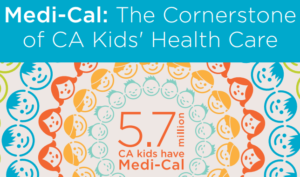
infographic

Public Meetings Set To Address Regional Center Disparities

The Department Of Developmental Services is looking at disparity in regards to Regional Center purchase of service. They are seeking input from families and stakeholders in order to discover where disparity and cultural challenges exist when using or accessing Regional Center services, and areas of the disabilities service system that need clarification. Hearings will take place Aug. 25 and 26 in Southern California, and more information can be found here. Families can also participate remotely by completing this survey.

RESOURCES

Assistive Technology Resources

  • FreedomTech: a financial loan program that offers loans ranging from $500 to $15,000 for those who need to purchase assistive technology equipment in California.
  • AbleCloset: an organization that allows parents to search for and borrow pediatric special needs equipment within Northern California. Most items can be borrowed for six months, with the exception of speciality equpiment (two weeks to two months).
  • California Assistive Technology Reuse Coalition: a service where you can find gently used assistive technology devices for sale or free, place ads for needed equipment, and borrow items from one of California’s Device Lending Libraries.

American Sign Language Support For Children And Families

The American Society For Deaf Children‘s resource page offers tools for families who’d like to help their child learn ASL. One website, BabySignLanguage.com, has a great list of flashcards with usage tips for successful memorization. The page also includes an ASL rhymes video, a list of recommended apps to help children and adults learn ASL, and a link to MyALSTech, which offers a large online ASL dictionary with conceptual graphics. To access the resource page, click here.
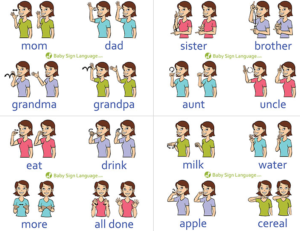
thisone

Health Care Coverage And Financing For Children With Special Health Care Needs: A Tutorial To Address Inequities

The Catalyst Center recently created a tutorial to help maternal and child health leaders, family leaders, and other stakeholders understand and address health care coverage inequities that exist among vulnerable subgroups of children and youth with special health care needs. To view the tutorial, click here, and to watch a webinar that will help you get acquainted with using the tutorial, click here.

Related: The Catalyst Center State at-a-glance Chartbook, a compilation of data on carefully selected indicators of health coverage and financing for children with special health care needs for all 50 states (recently updated). 

Back To School Resources From The Child Mind Institute

The Child Mind Institute has compiled several back to school success kits for parents and educators on children with ADHDsensory processing disorder, and selective mutism. They also have an article on starting school mornings without the stress, which contains tips for parents on how to get your child out the door with the least amount of conflict.

RelatedTips for helping children with epilepsy succeed in schooltips for supporting students with sickle cell disease, and a hands-on activity to identify your child’s strengths.

school

Disaster Preparedness: New  PSA For People With Disabilities, Planning Tip Sheet

We Prepare Everyday is a 2-minute video that features people with disabilities taking action to prepare themselves and their families for emergencies. To watch the video, click here. Also, Family Voices National has issued a disaster planning tip sheet that can be downloaded here

WEBINARS

August 25: Tips And Resources For Emergency Personnel: How To Communicate And Assist People With Autism

Sponsor: The Johnson Center For Child Health And Development

More information and registration here.

August 25: What’s New At Learning Ally?

Sponsor: Learning Ally 

More information and registration here.

August 29: The Individual And Emergency Health Care Plan In The IEP And 504 Plan

Sponsor: Family Network On Disability

Two time options: 7am or 11am.

August 30: Engaging Individuals And Families In Shared Decision Making

Sponsor: Substance Abuse And Mental Health Services Administration

More information and registration here.

August 30: Helping Children And Young Adults With ADD/ADHD Succeed And Prosper

Sponsor: Family Network On Disabilities

More information and registration here

August 31: The National Autism Data Center: Building Gauges To Measure National Progress On Transition Outcomes

Sponsor: Association Of University Centers On Disabilities

More information and registration here.

August 31: Mental Health Disparities Research: Cross-Cutting Aspects Of The National Institute Of Mental Health’s Strategic Plan

Sponsor: National Institute Of Mental Health

More information and registration here.

September 1: Preparing Adolescents With Asthma And Allergies For Transitions To Independent Living

Sponsor: Medical Home Chapter Champions Program On Asthma, Allergies, And Anaphylaxis

More information and registration here.

September 8: How To Use Data On A Decision-Making Group

Sponsor: Statewide Parent Advocacy Network

More information and registration here.

September 13: Living Well With ADHD: Scientific Guideposts To Improved Outcomes

Sponsor: Brain & Behavior Research Foundation

More information and registration here.

ARTICLES

South Asian Center For Kids With Special Needs Facing Eviction

What Happens To Developmentally Disabled As Parents Age, Die?

When Children Are Diagnosed With A Sensory Disorder

When It’s Time To Split Up The Family

How Phoenix Became The Most Autism-Friendly City In the World

Schools Told Not To Skimp On Behavior Supports

Bakersfield Couple Battles Daughter’s Cancer-And Insurance Company

Race, Ethnicity Affect Kids’ Access To Mental Health Care, Study Finds

Centering Disabled People In Conversations About Menstruation

New Treatments For Children With Eating Problems

Children With Epilepsy May Experience Vulnerability And Discrimination

Meds May Curb Risky Behavior For Kids With ADHD

Mother Forms A Community Of Families Affected By Rare Syndrome

Stanford: Teen Patients, Clinicians Create Solutions For Medical Issues They Say Need A Fix

Giving Adults With Autism The Skills To Build Independent Lives

Researchers Develop App To Help Children During Painful Medical Procedures

First Aid Training Helps Schools Spot Students With Mental Health Needs
Great News On SB 586/CCS Redesign

Great News On SB 586 (Hernandez) – Legislation For California Children’s Services (CCS) Redesign/Whole Child Model

On August 11th, SB 586 passed out of the Appropriations Committee. This bill will ensure continued quality of care for children and youth with special health care needs who are in the CCS program. Senator Ed Hernandez and his staff, as well as the CCS Advocates Coalition, have worked tirelessly on ensuring there are protections in place for CCS children and their families, providers, and county CCS staff. SB 586 will go to the Assembly Floor for a vote soon. If it passes, it will go to the Senate Floor for “concurrence of Assembly amendments”. Assuming passage, the bill then goes on to Governor Brown for signing. The Coalition feels there is a great chance of the bill being signed into law by the Governor.

To read some of the bill’s key points regarding child protections, click HERE.

lisajaheem

Family Engagement & CSHCN, Rural Health Recap, & An Autism Chartbook

This newsletter was sent August 9, 2016. If you’d like to receive our next bi-weekly digest full of a curated collection of resources, workshops, policy highlights, and action items that affect children and youth with special health care needs, please sign up here.

RCHC

Parents, professionals, and health care providers gathered in Shasta County on July 29 for the Rural Children’s Health Conference, organized by Wendy Longwell, Family Resource Specialist at Rowell Family Empowerment Of Northern California. The day began with a panel on mental health which addressed how access to services has changed for children under Medi-Cal managed care, the issue of families bouncing back and forth between counseling agencies, and how services can be obtained through a child’s school. A few attendees wanted to know where to send their child if he/she was having a mental health crisis as no rural hospital in the area has psychiatric beds that can accommodate children. Via teleconference, Department Of Health Care Services (DHCS) Director Jennifer Kent acknowledged this issue, and said the Department understands that the lack of pediatric beds is a huge problem statewide.

Next, Director Kent spoke on Denti-Cal and what’s being done to improve access for rural children who need specialty dental care. Since so few providers accept the dental program, DHCS plans to implement provider incentive payments to encourage yearly dental checkups, and they’d like to invest another $750 million in dental care overall. Director Kent also mentioned that some rural counties have already applied for a competitive dental pilot program that would allow for innovative care in places like schools.

Following a break for lunch, discussion shifted to California Children’s Services (CCS) redesign with Mira Morton of California Children’s Hospital Association and Amy Turnipseed of Partnership Health Plan. Many attendees expressed they were eager to inform their families about proposed changes to the program as soon as possible. Reimbursement for transportation is a key issue for rural CCS communities, and travel is currently covered under the CCS program even when a child from Shasta County has to cross the border to Oregon for specific care. Attendees wondered what this process would look like under next year’s proposed CCS changes.

The day concluded with a panel on telehealth where representatives from the community spoke on both the successful integration of telehealth programs as well as the struggles. Since access to care is such an issue in the rural north, discussion also centered on strategies for implementing more programs in this underserved area.

To view photos from the conference, click here.

RESOURCES

Webinar Recording And Slides: Family Protections And Continuity Of Care In The New CCS Whole-Child Model

If you missed our July 27 webinar, the full recording and slides are now available on our website. Beginning July 2017, children in select counties will be moved from California Children’s Services to Medi-Cal Managed Care plans. On this webinar, representatives from Western Center On Law And Poverty and Disability Rights California discuss how to keep your child’s existing providers during this switch, your continuity of care rights, protections, how to file a grievance, how to appeal decisions, and much more. To view the recording and slides, visit our webinar archive here

Report: Family Engagement In State Title V Maternal And Child Health And Children With Special Health Care Needs Programs

A new report from the Association of Maternal And Child Health Programs highlights 2014-15 national survey results on family engagement in Title V programs. Through case studies from five states, the report focuses on best practices and challenges within family engagement, or “a belief in the value of the family leadership at all levels from an individual, community, and policy level.” To read the report and learn more about how families can play a critical role, click here.

amchp

What Families Of Children With Down Syndrome Need To Know About The ABLE Act

Attorney and disability rights advocate Stephen Dale spoke on the Achieving A Better Life Experience (ABLE) Act at the National Down Syndrome Congress‘ annual convention. Last year, states became eligible to create ABLE programs that would allow people with disabilities to save money without losing their benefits. To view Stephen’s presentation, click here

Experience Matters: A View Into The Health And Wellbeing Of U.S. Children And Families With Autism Spectrum Disorder

This chartbook, prepared by The Child And Adolescent Health Measurement Initiative, represents one of the first national portraits of children with autism, how they receive their diagnoses, and how their daily lives are impacted. It has information that’s beneficial for families, advocates, policymakers, and researchers and covers topics such as common health problems for children with autism, how parents engage with the health care system to meet their child’s needs, and the role of early detection. To download the chartbook, click here

RelatedAutism Case Training, an American Academy Of Pediatrics-endorsed curriculum that provides real-life scenarios to improve early identification of children with autism, Puberty And Autism Toolkit from Autism Speaks.

CHILD

Online Zika Course: What Pediatricians Need To Know

This free course from the American Academy Of Pediatrics provides an important  overview of the Zika virus: where it came from, and how it entered the Western Hemisphere. It also looks at risk factors for infection and covers information regarding Zika’s clinical manifestations, current screening and diagnostic protocols, and follow-up recommendations. To view the course, click here.

RelatedLifelong Care, Heartaches Ahead For Babies Born With Zika In The U.S.Zika Surge In Miami Neighborhood Prompts Travel Warning.

TAKE ACTION

PsychDrugs Action California Campaign Needs Your Support

SB 253 is aimed at ensuring children and youth in foster care are receiving safe and appropriate psychotropic treatment. The bill asks doctors to provide better justification for prescriptions before they’re approved, and also pushes for better trauma care and mental health services within the system. SB 253 moves to the Assembly floor for a vote this week, and the National Center For Youth Law is calling on the community for letters of support. For a sample letter you can easily make your own, click here. Completed letters can be emailed to: leora.gershenzon@asm.ca.gov.

Related: Drugging Our Kids, an in-depth look at how foster care providers are fueling the medication of vulnerable children.

WEBINARS

August 10: Making Accommodation Decisions On The College Campus

Sponsor: Mid-Atlantic ADA Center

More information and registration here.

August 11: Improving Health Outcomes Through Inclusion And Participation

Sponsor: Healthy People 2020

More information and registration here.

August 11: Serving On Groups That Make Decisions: Processes And Tools Groups Use

Sponsor: Statewide Parent Advocacy Network

More information and registration here.

August 18: Pathways To Employment

Sponsor: United Spinal Association

More information and registration here.

August 18: Assistive Technology For Struggling Readers

Sponsor: Learning Ally

More information and registration here

August 19: Introducing The Newborn Screening Public Square

Sponsor: Baby’s First Test

More information and registration here

August 25: Independent Living Centers For People With Disabilities

Sponsors: Children’s Hospital Los Angeles and University Of Southern California

More information and registration here.

ARTICLES

Q&A: How Will Seriously Ill And Disabled Children Fare In Medi-Cal Managed Care?

August Edition Of Complex Child: Advocacy

New Voices In Medical Advocacy Are Often Patients

Medical Studies Involving Children Often Go Unpublished

Timing Of Autism Diagnosis Tied to Choice Of Treatment

California Overhauling Foster Care Rates To Support Family Caregivers

Autistic Oakland Boy Restrained 92 Times In 11 Months By Concord School

Head Start Benefits Children With Disabilities

How Families Of Children With Special Needs Can File Insurance Claims

Aging Poses New Challenges For Those With Special Needs

Barnyard Dust Offers Clue To Stopping Asthma In Children

Schools Reminded Not To Discriminate Against Kids With ADHD

Obama Care Expansion A Bumpy Ride For Rural Health Clinics

Study: 4/5 Kids With Epilepsy Have Other Health Problems

30 Percent Of Children’s Readmissions to Hospitals May Be Preventable

Even With Insurance, Family Of Medically Fragile Child Struggles To Find Home Health Care

Districts That Prioritize Inclusion Cited For High Graduation Rates For Students With Disabilities

Structured, Coordinated Approach Needed For Pediatric Diabetes Patients Transitioning To Adult Care

Like Us!
Videos!
Follow Us!
Email Us!