Medical Home Challenges, Scholarship In Honor Of Advocate, & Comments On Community-Based Services

This newsletter was sent November 16, 2016. If you’d like to receive our next bi-weekly digest full of a curated collection of resources, workshops, policy highlights, and action items that affect children and youth with special health care needs, please sign up here.

Reminder: Our 15th Annual Health Summit & Legislative Day will take place Feb. 27-28, 2017. More information and registration here. Free for families.

NEWS

Scholarship Fund Established In Honor Of Lifelong Children’s Health Advocate, Erin Givans

The Children’s Speciality Care Coalition (CSCC), in collaboration with Troy Givans, has launched a scholarship fund to continue the legacy of Erin Givans, founding executive director of the CSCC. The scholarship will be available to female students pursuing a master’s degree in public policy and will ensure they have the opportunity to begin a career in pediatric health policy. The CSCC hopes to award their first $5,000 scholarship next year, and they’ve pledged to match dollar-for-dollar donations up to $12,500 toward a fundraising goal of $250,000. For more information about the Erin Aaberg Givans Memorial Scholarship Fund and how you can donate, click here. To read a case statement, click here

erin-g

Project Leadership Presentation At First 5 Summit, Santa Barbara Implements Training

FVCA presented at the First 5 Annual Child Health, Education, And Care Summit in Sacramento on Nov. 9. The session titled “FVCA Project Leadership: Engaging Family Leaders Through Training, Mentoring, And Support” was led by Project Leadership Manager, Allison Gray. Read her thoughts on the afternoon:

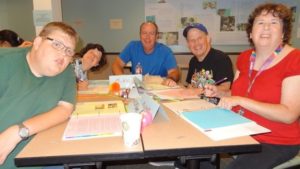
Our presentation aimed to inspire parent leadership as a goal of family engagement using Project Leadership as a model. We wanted to increase interest in community partnerships that support parent leadership development and parent participation on health related policies and practices. Myself, Yvette Baptiste (executive director of the Eastern Los Angeles Family Resource Center and FVCA council member), and Olga Maldonado (family resource specialist at Support For Families Of Children With Disabilities and a Project Leadership graduate) spoke on a panel that was followed by a Q&A and small group discussion activity. I provided an overview of the program, Yvette gave the perspective of the Family Resource Center as a key partner, and Olga shared a graduate’s perspective. The session was well-received and some participating agencies have followed up with applications for our upcoming Trainer-Of-Trainers workshops.

Jennifer Griffin, Family Resource Specialist at Alpha Family Resource Center in Santa Barbara, shares how their first implementation of  FVCA Project Leadership is going:

Each session has been livelier and more energetic than the last. Our participants are a mix of parent advocates and self-advocates, so we’re fortunate to have multiple perspectives. Everyone has been so engaged and supportive of one another’s learning processes. It’s been a pleasure watching experiences change. In the first session, people were more quiet and observant, and opinions and comments were flying in our recent session.

We’ve been very fortunate to have some excellent guest speakers as well. Fred Robinson gave a fascinating presentation on the history of the Lanterman Act, and some of our Ventura participants fondly remembered him from his days as chief executive officer of the Arc Of Ventura County (he retired 4 years ago).  

Our other guest speaker was (now Assemblymember) Monique Limón, who is currently serving on the Santa Barbara School District Board. She was extremely generous with her time and welcomed all questions and offered insightful responses. We’re very lucky to have her representing us in the state legislature.

We’re hoping for some of our parent participants to join us at the Family Voices Health Summit in February with their newly-minted advocacy skills. Project Leadership has proven to be a great success in Santa Barbara, and we’re hoping to have the chance to repeat the experience in the future.
meeting

RESOURCES

Fact Sheet: Challenges And Opportunities For Pediatric Medical Home Implementation And Children And Youth With Special Health Care Needs

Created by the National Center For Medical Home Implementation and the National Academy For State Health Policy, this new fact sheet addresses both the challenges and opportunities to provisions of care for children and youth with special needs enrolled in Medicaid managed care plans. To read the fact sheet, click here

Related: Toolkit on integrating mental health services into the pediatric medical home

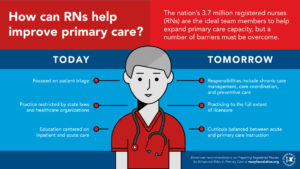
Report: Registered NursesPartners In Transforming Primary Care

Compiled by the Josiah Jr. Macy Foundation, this report contains a set of recommendations centered around increasing the breadth and depth of nursing curricula and practicums in primary care. It calls on registered nurses to help patients manage their chronic illnesses through coaching, coordinate care for complex patients (including those with behavioral health problems), and manage care teams to improve clinical and financial outcomes. Read the full report here, or browse the brief. To read an article from the Journal Of The American Medical Association Forum discussing the report findings, click here

primary-care

OPPORTUNITY FOR INPUT

Stakeholder Feedback Needed On Draft Of State’s Whole Person Care Evaluation Design

The Department Of Health Care Services has released a draft design for evaluating the Whole Person Care (WPC) pilot program that is part of California’s Medi-Cal 2020 waiver. The WPC program focuses on the coordination of health, behavioral health, and social services to improve the well-being of Medi-Cal beneficiaries, and the evaluation is meant to analyze the impact of the pilot program. For more information on how to submit your feedback, click here

CMS Seeks Comment On Increasing Access To Home And Community-Based Services

The Centers For Medicare And Medicaid Services is seeking public comment now through Jan. 9 on ways to promote access to community options for people with disabilities while continuing to ensure choice for those who prefer institutional care. Perspectives from both home care workers and people with disabilities are encouraged. For more information and a list of ways you can submit your feedback, click here.

RelatedFeds Seek Input On Expanding Community-Based Services

home

EVENTS

Bridge 2 The Future Conference For Youth With Disabilities To Be Held In San Diego

In collaboration with the California Transition Alliance, YO! Disabled & Proud is hosting a conference for youth and young adults with disabilities (ages 18-26). Sessions will cover disability and social media jeopardy, advantages and disadvantages of disability disclosure, and making space for youth at independent living centers. The conference will take place Dec. 8, and cost is $150 per person (scholarships are available). To register, click here

WEBINARS

November 17: How The Every Student Succeeds Act Affects Children With Disabilities

Sponsor: University Center For Excellence In Developmental Disabilities Education, Research, And Service

More information and registration here.

November 17: Live Webcast Demonstration Of Telehealth Capabilities

Sponsor: Health Resource And Services Administration

More information here.

November 17: Transition: Life After High School

Sponsor: Family Network On Disabilities

More information and registration here

November 17: Your Guide To An IEP That Works (And Other Related Services)

Sponsor: Family Network On Disabilities

More information and registration here

November 17: The Role Of Data Analytics For Population Health

Sponsor: Children’s Hospital Association

More information and registration here

November 18: Screening Of Woman For Alcohol During Pregnancy

Sponsor: Statewide Parent Advocacy Network

More information and registration here.

November 18: Positive Behavior Support And Mental Wellness: A Unified Framework

Sponsor: Family Voices Of Indiana

More information and registration here

November 18: Cyber Security

Sponsor: Family Network On Disabilities

More information and registration here

November 29: National Entrepreneurship Month: The Possibility Of Self-Employment

Sponsor: National Down Syndrome Society

More information and registration here

November 30: Ask The Clinician: A Q&A With Pediatrician Nancy O’Hara

Sponsor: Autism Research Institute

More information and registration here.  

November 30: Overcoming Obstacles To Carrying And Using Self-Injectable Epinephrine

Sponsor: Food Allergy Research & Education

More information and registration here

ARTICLES

November Issue Of Complex Child: Seizures And Neurological Issues

Premature Births Rise Slightly, First Uptick In 8 Years, March Of Dimes Reports

Type 2 Diabetes Becoming Childhood Epidemic

Kids’ Post-Election Fears Spur Trauma Counseling In Schools This Week

Cuts In Texas Medicaid Hit Rural Kids With Disabilities Especially Hard

Big New For Tot With Down Syndrome Turned Down By Modeling Agency

Young Adolescents As Likely To Die From Suicide As From Traffic Accident

Fresno Unified Could Add Community Health Centers To 10 Schools

Undocumented Parents Face Extra Challenges When Caring For A Disabled Child

Planned Early Births Tied To Developmental Problems In Kids

Study Finds Transportation Lacking For Those With Special Needs

Dangerous Bacteria Infecting Cystic Fibrosis Patients Around The Globe
 

FVCA Honors Lifelong Advocate, Child Neurology Transition Tips, & Caregiving Youth

This newsletter was sent November 2, 2016. If you’d like to receive our next bi-weekly digest full of a curated collection of resources, workshops, policy highlights, and action items that affect children and youth with special health care needs, please sign up here.

NEWS

FVCA Honors CRISS Director For 20 Years Of Work On Behalf Of Children With Special Needs—Plus A Q&A On Family Engagement

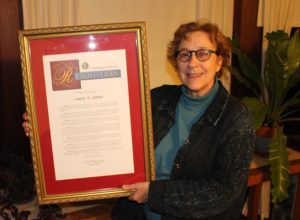
FVCA presented Laurie Soman, director of the Children’s Regional Integrated Service System (CRISS), with a resolution from Senator Loni Hancock’s office in recognition of her 20 years of leadership as the director of CRISS and lifelong service to children with special needs. As the director of CRISS, a 27-county collaborative that works to create a seamless system of care for kids in California Children’s Services (CCS), Laurie spearheaded the first statewide family-centered care survey, a CRISS durable medical equipment survey, and a CRISS maintenance and transportation survey for CCS.

In addition to her work with CRISS, Laurie is the manager of policy analysis at Lucile Packard Children’s Hospital where she specializes in improving access to care for children with special needs, the project director for the CCS Medical Advisory Committee, a key stakeholder on the statewide CCS Redesign Advocacy Group, and a team member at the Alameda County Mental Health Initiative (the list goes on)!

We spoke with Laurie about her vast experience with systems of care, family engagement, CCS, and more—to read her Q&A, click here.

cropped-for-newsletter

FVCA Nov. 16 Webinar To Focus On Identifying And Supporting Caregiving Youth

Caring for relatives or household members with special needs, mental illness, frailties of aging, or substance abuse issues can take a physical and psychological toll on children, and can lead to detrimental development and impacted academic success.

The American Association For Caregiving Youth established a model in 2006 to identify caregivers through the public school system and support the needs of youth as well as their families. Researchers in Los Angeles have launched an adapted model to assess for sibling caregivers of children with special health care needs.

This webinar is intended for families, community health workers, and medical professionals and will provide an overview of an interdisciplinary framework to serve the needs of caregiving youth and their families. To register for the webinar, click here

caregiving-youth

RESOURCES

Brief: Treatment For Children With Autism Spectrum Disorder And The EPSDT Benefit

This brief from the National Academy For State Health Policy provides clarification on services to be provided to Medicaid-eligible children with autism and, specifically, the expected adherence to the Early and Periodic Screening, Diagnosis, and Treatment (EPSDT) benefit. Examples of strategies currently being used by multiple states to provide necessary treatment services are included. To read the brief, click here

American Academy Of Pediatrics: The Neurologist’s Role In Supporting Transition To Adult Health Care

The American Academy Of Pediatrics has endorsed a consensus statement on the pediatric neurologists’ role in helping adolescent patients with neurological conditions transition to the adult health care system. The statement is published in Neurology and includes eight common principles for promoting a patient’s successful transition, with appropriate medical record documentation. The model was developed by a multidisciplinary panel convened by the Child Neurology Foudnation. To read the statement, click here

brain

Slide Deck: Understanding Prader-Willi

Created by the Foundation For Prader-Willi Research, these 18 slides are intended to help families educate others on the complexities of Prader-Willi Syndrome (PWS). Topics covered include: causes, challenges, treatments, and the progression of people with PWS from infancy to adulthood. The foundation suggests using this slide deck if you’re looking to raise awareness about PWS in your community, or if you’d just like help starting the conversation. To download the slides, click here.

prader

Tools To Support Organizations With Enrolling Remaining Uninsured Children

California has successfully reduced the number of uninsured children from nearly two million to under 100,000. Aligned with Medi-Cal’s 50th anniversary, Children Now released new materials to encourage the remaining population to enroll. To download a customizable health coverage outreach poster, click here (English, Spanish, and Chinese). To download a timeline that shows the progress of children’s health insurance since the 1990’s, click here.

Related: Read a 50-state report from The Georgetown University Center For Children And Families which found that the children’s health coverage rate is now at a historic high of 95%.

OPPORTUNITY FOR INPUT

Stakeholder Listening Sessions To Help Develop The National Institute On Disability, Independent Living, And Rehabilitation Research’s Long-Range Plan

The NIDLRR is mandated by Congress to create a new long-range plan every five years, and they’re seeking stakeholder input to help inform future funding priorities and strategic direction. Three meetings have already taken place, and two remain on Nov. 18 and Dec. 5. For information on attending by phone, click here.  

WEBINARS

Archived Webcast: Empowering Cystic Fibrosis Care From A Young Age

Sponsor: The Boomer Eaison Foundation

Click here to watch the webcast.

Webinar Series November 3-17: Affordable Care Act Eligibility And Enrollment Issues

Sponsor: Center On Budget And Policy Priorities

More information and registration here.

November 2: Depressed Mood In Autism Spectrum Disorder

Sponsor: Interactive Autism Network

More information and registration here.

November 2: Strengthening Collaboration Between Schools And Hospitals In The Management Of Chronic Conditions: Taking Hold Of Opportunities

Sponsor: National Association Of Chronic Disease Directors

More information and registration here.

November 2: An Introduction To The Child Health Patient Safety Organization

Sponsor: Children’s Hospital Association

More information and registration here.

November 3: Venous Thromboembolism In Children And Young Adults: State-Of-The Art In Diagnosis, Treatment, And Prevention

Sponsor: National Blood Clot Alliance

More information and registration here.

November 9: Beyond Checklists: Care Planning For Children With Special Health Care Needs

Sponsor: Lucile Packard Foundation For Children’s Health

More information and registration here.

November 9: Maximizing Enrollment In Maternal Child Health: Strategies To Address Challenging Outreach And Enrollment Situations

Sponsor: Association Of Maternal And Child Health Programs

More information and registration here.

November 9: Cognitive Behavioral Intervention For Tics: Information For Families

Sponsor: Tourette Association Of America

More information and registration here.

November 15: Implementing Public Health Genomics In Your State: Resources From The CDC Office Of Public Health Genomics 

Sponsor: Genetic Alliance

More information and registration here.

November 15: The Potential Role Of Epigenetics In Sex Differences In Autism

Sponsor: Autism Science Foundation

More information and registration here.

November 16: Caregiving Youth: A Community-Based Framework For Identifying And Supporting A Hidden Population

Sponsor: Family Voices Of California

More information and registration here.

November 17: How The Every Student Succeeds Act Affects Children With Disabilities

Sponsor: University Center For Excellence In Developmental Disabilities Education, Research, And Service

More information and registration here.

ARTICLES

I Don’t Want To Be Inspiring

Autism Spectrum News Fall Edition: The Unique Needs Of Girls And Women With Autism

National Data Reveals Just How Hard Foster Care Is On Children’s Health

One Mom’s Shopping Cart Invention Is Helping Special Needs Kids, Seniors

For People With Disabilities, Getting Dental Care Can Be Difficult

Disability No Reason To Deny Organ Transplants, Lawmakers Say

Disabled And Disenfranchised: Families Fight To Restore Voting Rights

Her Toddler Suddenly Paralyzed, Mother Tries To Solve A Vexing Medical Mystery

Voters With Disabilities Fight For More Accessible Polling Places

There’s A Shortage Of Child Psychiatrists, And Kids Are Hurting

CMV Is A Greater Threat To infants Than Zika, But Far Less Often Discussed

An Alternative To The EpiPen Is Coming Back To Drugstores

Leaving Your Pediatrician? Here’s How To Choose Your Next Doctor

Can A Spoonful From Pepsi Help The Medicine Go Down?

The New Focus On Children’s Mental Health

Q&A With Laurie Soman, CRISS Director & Lifelong CYSHCN Advocate

FVCA presented Laurie Soman, director of the Children’s Regional Integrated Service System (CRISS), with a resolution from Senator Loni Hancock’s office in recognition of her 20 years of leadership as the director of CRISS and lifelong service to children and youth with special health care needs (CYSHCN). As the director of CRISS, a 27-county collaborative that works to create a seamless system of care for kids in California Children’s Services (CCS), Laurie spearheaded the first statewide family-centered care survey, a CRISS durable medical equipment survey, and a CRISS maintenance and transportation survey for CCS.

cropped-for-newsletter

In addition to her work with CRISS, Laurie is the manager of policy analysis at Lucile Packard Children’s Hospital where she specializes in improving access to care for children with special needs, the project director for the CCS Medical Advisory Committee, a key stakeholder on the statewide CCS Redesign Advocacy Group, and a team member at the Alameda County Mental Health Initiative (the list goes on)!

We spoke with Laurie about her vast experience with systems of care, family engagement, CCS, and more.

How has the CYSHCN family engagement landscape changed over the years? What have been some other notable shifts in child advocacy? 

There’s now a general recognition in the child advocacy community of not just the importance of family involvement, but the absolute necessity of it—this took a while to build. In terms of my own work, we didn’t initially involve families at CRISS. It took us a couple of years. That was the beginning of what I like to call the three-legged stool: you want to work with programs and providers, but you also need family and youth input.

In decision making, families need to be involved at every point along the way. Current research shows that as far as board representation, there needs to be a critical mass of at least three people from an underrepresented population on a board for their voices to be heard—there must be multiple family representatives on boards or advisory councils. Family members can’t just be plucked out—they have to be backed by an organization so they’re representing more than personal experience. So you have (power in) numbers, educated parents, and parents who are supported by an organization. Those things have become very critical.

Interest among the larger child advocacy community, in terms of attention to kids with complex special health care needs, has grown a lot over the past few years. With regard to CCS issues, there’d always been five key organizations at the table. This year, as we worked on SB 586, Senator Hernandez’s bill concerning CCS redesign, we knew we needed to build a larger coalition. I’m really surprised and proud of what we’ve been able to build over the last few years.

What are some issues with care coordination you’ve observed?

In California, we’ve divided our systems so clearly. We have medical, mental health, behavioral health (in terms of autism service), developmental health, and special education. Each of these segments may have a care coordinator, but they only manage their one particular piece. So, individual family members end up assuming the role.

I definitely see some steps forward with both systems and advocates wanting to make change. We can spot places around the state where care coordination is more widely recognized as a problem because families are driving the point home that they’re the ones who get stuck taking care of things.

At the state level, there’s a sense that perhaps the siloing of the different systems isn’t the most effective or cost-efficient way to do business. For example, Senator Pan’s Select Committee On Children With Special Needs is explicitly interested in coordinating across the multiple systems—even breaking down some of the walls separating these systems.

How can parents get involved on behalf of CYSHCN?

All of the children’s hospitals are setting up family advisory committees and have family-centered care programs, and that’s all relatively new. You might have the most wonderful medical care, but is it organized in a way you can use easily? Is the experience optimal? Providers know having families involved is the right thing to do, and it ultimately results in better care and outcomes. Families really had to struggle and push for a while, but providers are now seeing how humane and correct it is for them to be involved.

How can we ensure a smooth transition for the children moving from CCS to Med-Cal managed care plans next year and that all families are informed?

The state is responsible for creating timely, understandable, and correct material any time a change is made. The question from an organizational standpoint is: is the timing going to be good enough? Organizations are saying that we need to get this information out now. The plans want to create their own materials as well, and they’re waiting for the official word from the state.

Family organizations should continue meeting with the plans and providing family input to ensure that perspective is considered. There’s also going to be a real role for organizations to make sure families are aware of their rights. For instance, families will have a 90-day window to elect to keep their child’s CCS nurse manager. I think there’s going to be ongoing monitoring we’ll all need to participate in once SB 586 rolls out. Up until now, we’ve been dealing with a state-level program. Now, the responsibility falls on individual plans.

What’s one quirky thing you want people to know about you?

I like to fix things. I used to be a cabinet maker and had a business in Berkeley for years. I got in trouble as a kid because I would always take things apart. My grandparents had one of those old, heavy phones. I thought it was fascinating, so I took the whole thing apart when I was 4 years old and then put it back together.

Like Us!
Videos!
Follow Us!
Email Us!